Flower Tulip Graphics for Crafts and Branding
In the world of content marketing, visual consistency is not just an aesthetic choice; it is a strategic necessity. As a brand designer reviewing assets before they go into production, I look for more than just "pretty" images. I look for versatility, emotional resonance, and scalability. Recently, I evaluated a design asset titled Flower Tulip, a graphic element that promises to elevate various creative projects. This review examines how this specific graphic design asset performs when integrated into real-world marketing workflows, from social media campaigns to physical product packaging.
First Impressions: Mood and Audience Perception
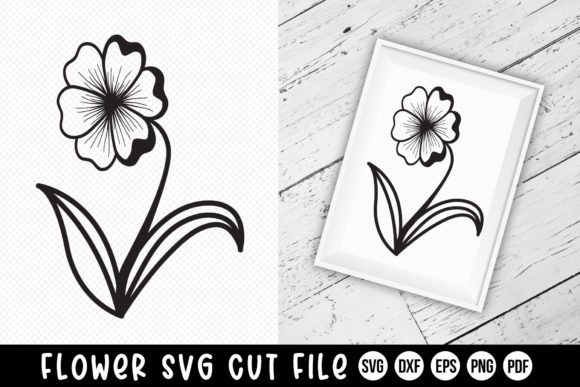
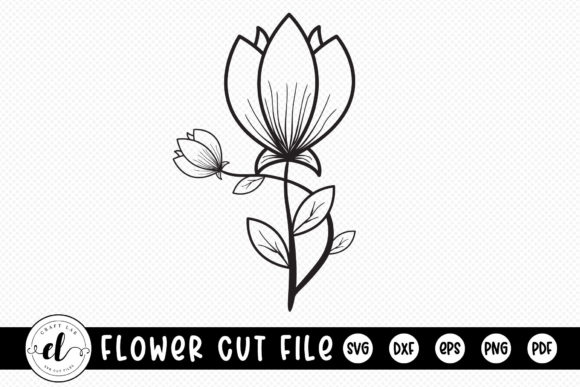
The initial encounter with Flower Tulip reveals a design that balances elegance with approachability. In branding, the first three seconds of a visual interaction determine whether a user stops scrolling or moves on. This flower design is very beautiful which can be used for many purposes such as but not limited to sign making, card making, invitation, scrapbooking, vinyl decals and much more… The design comes in t (various formats), but its true value lies in its immediate emotional impact.
The tulip motif inherently suggests renewal, spring, and organic beauty. For brands targeting lifestyle, wellness, fashion, or home decor audiences, this creative design triggers positive associations without feeling cliché. It avoids the cluttered complexity of some stock illustrations, offering a clean silhouette that feels modern yet timeless. When placed against a neutral background, it commands attention through simplicity rather than noise. This makes it an excellent candidate for small business branding where clarity and professionalism are paramount.
Integrating Flower Tulip into Real Marketing Campaigns
To understand the practical utility of this asset, imagine a scenario: A boutique skincare brand is launching a limited-edition "Spring Renewal" serum. They need a cohesive visual kit that spans Instagram posts, Pinterest pins, email headers, and physical packaging inserts. Here is how Flower Tulip fits into that workflow:
- Social Media Graphics: Use the tulip illustration as a focal point for Instagram carousel posts. Its clean lines ensure it remains legible even at smaller thumbnail sizes, maintaining visual hierarchy alongside text overlays.
- Pinterest Pins: Pinners respond well to vertical, aesthetically pleasing imagery. Placing Flower Tulip within a soft pastel frame creates a high-click-through-rate visual that aligns with seasonal trends.
- Email Banners: For newsletter headers, the design adds a touch of sophistication without overwhelming the copy. It serves as a subtle reminder of the brand’s connection to nature and care.
- Packaging Design: If printed on kraft paper or white boxes, the tulip acts as a premium accent. It transforms a generic package into a branded experience, enhancing unboxing moments that customers often share online.
This flexibility demonstrates why the asset is valuable for content marketing. It bridges the gap between digital and physical touchpoints, ensuring that your brand identity remains consistent regardless of where the customer encounters it.
Supporting Core Marketing Goals
Strategic design choices directly influence consumer behavior. Flower Tulip supports several key marketing objectives:
- Stronger First Impression: A polished, high-quality vector or raster image signals professionalism. It tells the audience that the brand pays attention to detail.
- Better Product Presentation: By associating products with natural, beautiful elements, you enhance perceived value. The tulip elevates simple items, making them feel like curated gifts.
- Improved Audience Trust: Consistent use of a recognizable visual motif builds familiarity. Over time, the tulip becomes a visual shorthand for the brand’s promise of quality and beauty.
- Emotional Connection: Flowers evoke feelings of joy, calm, and growth. Leveraging these emotions helps create a deeper bond with your audience, moving beyond transactional relationships.
For digital sellers and creators, this means higher engagement rates and potentially lower customer acquisition costs due to improved organic reach on visually driven platforms.
Ideal Applications for Visual Hierarchy
Where does Flower Tulip shine brightest? It excels as a decorative brand element that guides the eye. Consider using it in:
- Hero Graphics: As a background element behind bold typography for website landing pages.
- Campaign Headers: To unify a series of promotional emails or blog posts under a single theme.
- Product Launch Visuals: Highlighting new arrivals with a fresh, seasonal vibe.
- Branded Templates: Integrating the design into Canva templates for clients or followers to use, thereby extending brand reach.
- Editorial Layouts: Breaking up long-form content in blogs or magazines to maintain reader interest.
Strategic Limitations and Cautionary Notes
No single asset is a universal solution. As a designer, I must advise where Flower Tulip might struggle. It should be used carefully in contexts requiring strict formality, such as corporate financial reports or legal documents. The organic nature of the flower may clash with rigid, industrial, or highly technical branding.
Additionally, avoid placing the design on low-contrast backgrounds where details may get lost. On mobile screens, ensure the asset is scaled appropriately so it does not appear pixelated or disproportionately large. If your brand relies heavily on dense information layouts, let the tulip serve as a secondary accent rather than the primary focus. It competes best when it complements clear, concise messaging rather than distracting from it.
Practical Designer Notes for Implementation
Before deploying Flower Tulip in paid campaigns or client work, follow these professional testing protocols:
- Color Palette Testing: Ensure the tulip’s colors harmonize with your existing brand palette. Test it in monochrome to check for effective contrast and readability.
- Typography Pairing: Experiment with different font styles. A serif font can lend editorial elegance, while a sans-serif font offers modern minimalism. Script fonts may work for invitations, but handwritten fonts could create a casual, friendly tone. Display fonts should be used sparingly to avoid visual clutter.
- Mockup Preview: Place the design inside real campaign mockups. View it on various devices to confirm it maintains integrity across desktop, tablet, and mobile views.
- Licensing Verification: Always confirm commercial licensing. Whether you are creating a digital product, a printable design, or a design bundle, understanding the usage rights protects your business from legal issues.
Conclusion for Creative Entrepreneurs
Flower Tulip is more than just a clipart image; it is a versatile tool for building a cohesive narrative. For bloggers, publishers, and small business owners, it offers a way to inject personality and professionalism into their marketing visuals. By integrating this SVG design or PNG design thoughtfully, you can enhance your web design, improve your social media graphics, and strengthen your overall professional branding.
Whether you are crafting vinyl decals, designing event flyers, or updating your media kits, this asset provides the visual polish needed to stand out in a crowded marketplace. Use it wisely, test it rigorously, and watch as your brand communication becomes more compelling and memorable.