Home Flowers: A Designer's Review for Real Embroidery Work
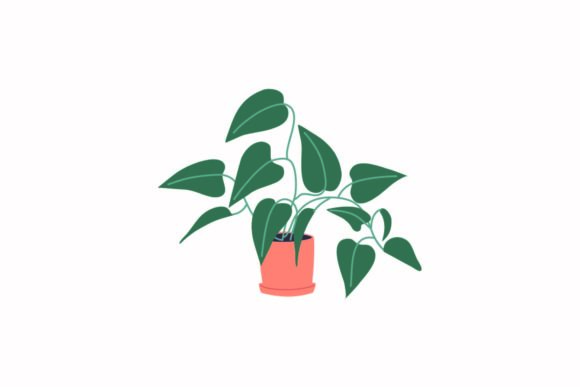
When I first opened the Home Flowers vector asset, my immediate thought wasn't about the file formats or the canvas size. It was about the mood. As an experienced designer who has stitched hundreds of projects for clients and craft fairs, I look for that specific spark in a design—the feeling that it will translate beautifully from a screen to a needle. This floral illustration feels warm, inviting, and distinctly domestic. It isn't trying to be high-fashion or overly abstract; it is grounded, perfect for bringing a touch of nature into everyday spaces.
The visual personality of Home Flowers suggests it belongs in a space where comfort meets creativity. The layout flows naturally, avoiding the cramped look that often plagues digital graphics when they are scaled down for embroidery. Whether you are looking at it as a standalone graphic or imagining it stitched onto fabric, the shapes feel balanced. It creates an atmosphere of relaxation, making it an ideal candidate for items that people want to hold, wear, or display in their living rooms. For anyone selling handmade goods, this kind of emotional connection is exactly what drives sales on platforms like Etsy or at local boutiques.
From Screen to Stitch: A Real Project Scenario
Let me walk you through how I see Home Flowers performing in a real-world scenario. Imagine you are preparing for the upcoming holiday season. You have a small shop focused on personalized gifts and home decor. You decide to create a limited run of custom embroidered kitchen towels and matching aprons for your customers. This is where the design truly shines.
I imagine taking the Home Flowers file and placing it centrally on a crisp white tea towel. The floral motif would likely serve as a charming focal point above the pocket area. Because the design is described as easy to use and editable, you could adjust the color palette to match your brand's seasonal theme—perhaps swapping bright summer hues for deep autumnal tones if you were marketing these as fall harvest gifts. The result would be a cohesive product line that looks professional and thoughtfully curated.
Now, consider a different angle: baby items. Parents love soft, gentle imagery for nursery decor and baby clothes. If you were creating a onesie or a soft blanket, Home Flowers offers a sweetness that appeals to new parents without being overly cutesy. The design works well as a central chest placement on a sweatshirt or a large back print on a tote bag designed for grocery runs or beach trips. The versatility here is significant. It bridges the gap between a simple craft project and a commercial-grade product ready for retail.
Performance on Different Fabrics and Products
Not all designs behave the same way once they hit the hoop. The success of Home Flowers depends heavily on the substrate you choose. On stable fabrics like cotton duck canvas for tote bags or tightly woven linen for pillow covers, the design should hold its shape with excellent clarity. The floral elements, likely rendered with a mix of satin stitches for outlines and fill stitches for petals, would catch the light nicely, adding texture and depth to the finished product.
However, there are nuances to consider when working with Home Flowers. If you plan to use this for custom apparel like t-shirts or stretchy knit fabrics, you must be cautious. Stretchy materials can distort intricate floral details if the stabilizer isn't chosen correctly. The design might lose some of its definition on thin fabrics that pucker easily under the tension of the machine. In these cases, a heavy-duty cutaway stabilizer would be essential to maintain the integrity of the stitching.
For products like caps or curved surfaces, the flat nature of the original vector requires careful digitization. While the source file is available in standard formats like AI 10 and EPS 10, the curvature of a hat brim can compress the outer edges of a floral pattern. You might need to adjust the stitch direction or reduce the density slightly to prevent thread breaks or puckering. Similarly, if you are creating an embroidered patch, the background needs to be considered. Does the design work better with a solid border or a clean edge? Given the organic shapes of the flowers, a clean edge might look more modern, but a defined border ensures durability during frequent washing.
Where to Exercise Caution
Even a beautiful design like Home Flowers has its limitations. There are specific scenarios where this graphic might struggle to deliver the high-quality finish that discerning customers expect. One major consideration is the hoop size. If you attempt to stitch this design on a very small hoop, such as one used for cufflinks or small jewelry boxes, the fine details of the flowers may become indistinguishable. The threads will crowd each other, turning delicate petals into muddy blobs. Always test the design at your intended scale before committing to a full production run.
Fabric texture also plays a crucial role. On highly textured fabrics like chunky knits or raw denim, the design might get lost in the weave. The contrast between the thread and the fabric surface is vital for visual appeal. On dark fabrics, the choice of thread colors becomes even more critical. If the original vector relies on subtle shading, those nuances might disappear unless you use high-density fill stitches or a contrasting background layer. Additionally, for products that require frequent washing, such as work aprons or children's clothing, ensure that the stitch density is sufficient to withstand abrasion without fraying.
Designer Notes for Professional Results
If you are a craft business owner or an Etsy seller looking to integrate Home Flowers into your inventory, there are several practical steps to ensure success. First and foremost, always test the design on scrap fabric that matches your final product. This allows you to check the thread colors and see how the stitch density interacts with the material. What looks good on a monitor can sometimes appear too dense or too sparse in reality.
Review the design in black and white mockups as well. This helps you visualize the contrast levels and ensures that the floral shapes remain distinct regardless of the color scheme you eventually choose. If you are using this for commercial embroidery, double-check the licensing terms provided with the digital embroidery file. Some assets allow for personal use only, while others permit selling finished products. Confirming these details upfront protects your reputation and prevents legal issues later.
When preparing the file for production, inspect the small details closely. Are there any loose threads or tiny gaps that might cause issues during stitching? Use proper stabilizer techniques appropriate for your fabric type to avoid puckering. If you are creating a personalized gift, consider how the design complements any added text. The flow of the flowers should guide the eye naturally toward any custom names or dates you include.
Final Thoughts on Visual Appeal and Value
In conclusion, Home Flowers is a versatile and emotionally resonant design that fits seamlessly into the world of handmade and commercial embroidery. Its strength lies in its ability to elevate simple items like tote bags, aprons, and baby clothes into premium, gift-worthy products. When executed with care, it enhances the perceived value of your work, building trust with customers who appreciate quality and attention to detail.
Whether you are designing for a boutique, creating unique holiday embroidery pieces, or simply expanding your portfolio of design assets, this floral illustration offers a solid foundation. It strikes a balance between aesthetic charm and practical application, making it a valuable addition to any designer's toolkit. By paying attention to fabric selection, stabilization, and testing, you can transform this vector asset into a stunning finished product that stands out in a crowded market.
Remember, the difference between a good design and a great one often comes down to the execution. Take the time to understand how Home Flowers behaves on different materials, and you will find it capable of producing results that delight both the maker and the recipient. For those looking to build a consistent brand identity, this design provides the reliability and warmth needed to connect with your audience effectively.