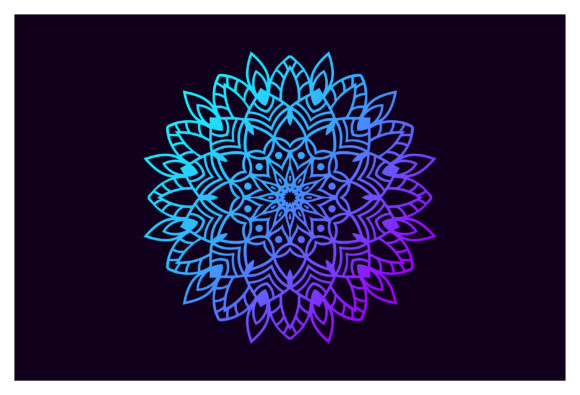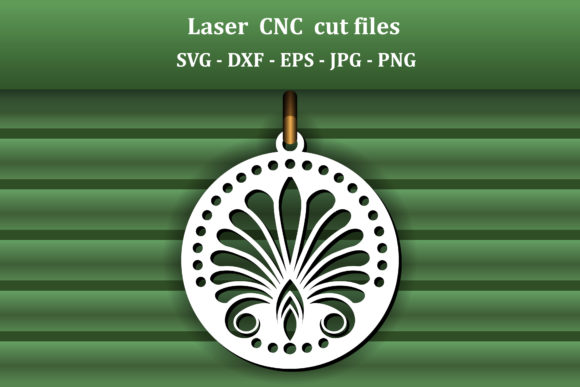
Mandala, Pendant or Coaster Cut Files
As a designer who spends more time than I care to admit staring at stitch charts and fabric swatches, I have learned to trust my gut before I ever load an embroidery file into the machine. Most digital assets are created with the assumption that they will sit perfectly flat on a stable hoop. But in the real world of craft business and handmade production, things rarely stay that simple. When I first pulled up the Mandala, Pendant or Coaster Cut Files, my initial reaction was one of cautious curiosity. The description highlights its utility for laser CNC cutting, paper stencils, and DIY crafts like keychains and pendants. However, as someone looking to translate this visual potential into stitched form, I had to ask: does this design hold up when converted from a static cut shape to dynamic thread?
The Visual Personality and First Impressions
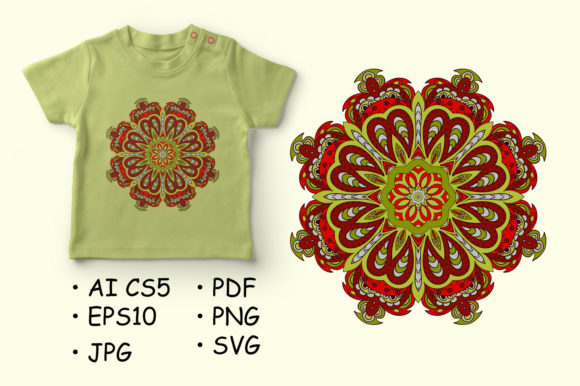
The core strength of this design lies in its aesthetic lineage. Described as having a floral pattern in an oriental Asian style, it carries a specific mood—one of elegance, symmetry, and intricate detail. For a designer, this is a double-edged sword. The mandala structure naturally draws the eye to the center, creating a focal point that works exceptionally well on garments and accessories where you want the viewer’s attention to linger. It feels organic yet structured, which is rare in digital downloads.
Visually, the layout suggests a high level of detail. In the context of an applique design or a dense fill area, this complexity can be beautiful, but it also demands respect from the embroiderer. The "pendant" aspect of the title hints at a vertical orientation that flatters the chest area of a sweatshirt or the center front of a tote bag. It doesn’t scream for attention; rather, it invites it. This subtlety is exactly what boutique brands look for. It elevates a basic item without overwhelming it, making it suitable for everything from personalized gift items to high-end commercial embroidery projects.
Real-World Application: From Screen to Stitch
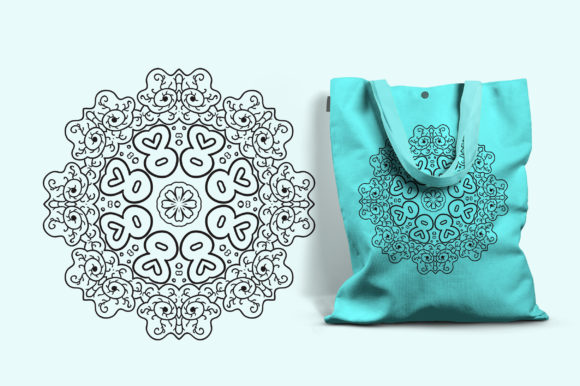
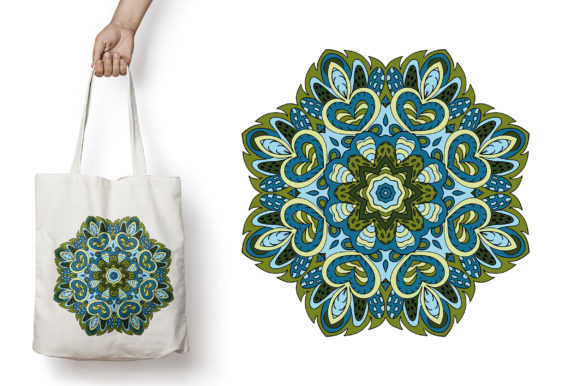
Let’s talk about how this would perform in a actual production run. Imagine you are preparing a custom order for a client who wants a unique tote bag design for a yoga studio or a book club. You choose a sturdy canvas bag and decide to place the mandala on the front panel. Because the design originates from a concept meant for laser cutting, the outer edges are likely clean and precise. This translates beautifully into a satin stitch border, giving the finished product a polished, professional look that screams quality.
However, consider the sweatshirt embroidery scenario. If you were to adapt this for a crewneck, the symmetry of the mandala could work wonderfully centered above the heart. But here is where practical judgment comes in. Mandala patterns often rely on fine lines and small negative spaces. On a thick, textured fleece, those details might get lost under the pile of the fabric. You need to ensure the stitch density is appropriate for the material. If the design is too dense, it will pucker; if it is too sparse, it will lack the structural integrity needed for a wearable item. I found myself thinking about using this for embroidered patches intended for denim jackets. The rigid nature of the mandala shape provides a stable base for a patch, and the oriental floral theme adds a trendy, bohemian flair that appeals to younger demographics on platforms like Etsy.
Another compelling use case is holiday embroidery. During the winter season, consumers are looking for gifts that feel personal and artisanal. Using this design on a tea towel or a pillow cover creates a sophisticated home decor item. The "coaster" aspect of the original description reminds us that this pattern is compact enough to fit neatly into smaller formats. A set of embroidered coasters featuring this mandala could be a high-margin upsell for a small shop product line. It transforms a functional item into a decorative asset, increasing the perceived value of the finished product.
Where to Exercise Caution
No design is perfect for every surface, and being honest about limitations is part of being a responsible reviewer. There are several scenarios where Mandala, Pendant or Coaster Cut Files might struggle if not handled with care.
- Small Hoop Sizes: If you attempt to digitize or stitch this on a very small hoop (under 4x4 inches), you risk losing the intricate details of the oriental floral pattern. The tiny petals and connecting lines may merge into a muddy blob, especially if the thread count is low.
- Textured and Stretchy Fabrics: As mentioned, textured fabrics like terry cloth or heavy wool can obscure fine stitching. Similarly, stretchy knits require a strong stabilizer. Without proper support, the circular tension of a mandala design can distort the fabric, causing the entire piece to wobble or warp after washing.
- Dark Fabrics and Thread Contrast: This design relies on contrast to define its shapes. On dark fabrics, using dark threads will result in a design that is nearly invisible. You must carefully select thread colors that pop against your background. White or metallic threads might work well on black cotton, but you need to test this thoroughly.
- Curved Surfaces: While the design looks great on flat surfaces, applying it to curved items like caps or hats requires advanced hooping techniques. The curvature can compress the stitches, altering the proportions of the mandala. It is generally safer to stick to flat panels for this particular design.
Practical Designer Notes for Success
Before committing this design to a commercial run, there are several steps any savvy Etsy seller or maker should take. First and foremost, always test the design on scrap fabric that matches the weight and texture of your final product. This is non-negotiable. It allows you to see how the fill stitch interacts with the fabric weave and whether the running stitch details remain crisp.
I also recommend creating a black-and-white mockup of the design. This helps you evaluate the balance of positive and negative space without the distraction of color. Does the design feel too busy? Is there enough breathing room between the elements? Once you are satisfied with the structure, move on to color testing. Try different thread colors to see how they affect the overall mood. Gold and teal might evoke a regal Asian palace vibe, while pastels could make it feel more modern and airy.
Don’t forget to inspect the small details closely. Look for any areas where the stitch density might be excessive, causing needle breaks or thread tension issues. If the design includes delicate corners or tiny lettering (if added later), ensure these elements are robust enough to withstand the rigors of machine embroidery. Finally, confirm the licensing terms. Even though the source describes it as a laser cut file, if you plan to sell the embroidered versions, you need to know if you have the right to use the design commercially. Always check the license agreement before listing your handmade product online.
Final Verdict
The Mandala, Pendant or Coaster Cut Files offers a versatile foundation for designers willing to put in the prep work. It is not a "plug-and-play" solution for every project, but rather a tool that rewards careful planning. Its elegant oriental style and symmetrical structure make it ideal for boutique branding, personalized gifts, and high-quality home decor. By understanding its strengths and respecting its limitations regarding fabric choice and hoop size, you can transform this digital asset into a stunning finished product that customers will love. Whether you are creating a single custom apron or scaling up a line of digital embroidery files for sale, this design has the potential to add a touch of refined craftsmanship to your portfolio.