Review: Flower Shop Semi Flat Color Object for Embroidery
As a designer who spends more time looking at stitch density than color palettes, I approach every new asset with a healthy dose of skepticism. We all know that a beautiful vector illustration does not always translate into a clean embroidery file. The gap between digital pixels and physical thread is where most craft businesses fail or succeed. Today, I am evaluating the Flower Shop Semi Flat Color Object, a floral design described as an eye-catching composition for sale in a modern cartoon style. My goal here is to strip away the marketing language and look at this as a practical tool for real-world projects, from Etsy listings to custom client work.
First Impressions and Visual Personality
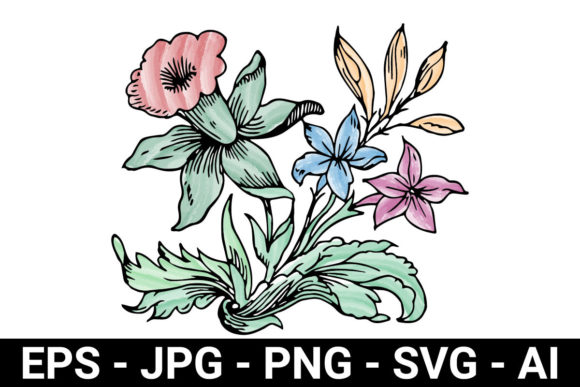
The term "semi flat" suggests a specific aesthetic balance. In my experience, purely flat designs can sometimes feel too rigid for textile applications, while overly realistic styles can become muddy when stitched. This Flower Shop Semi Flat Color Object seems to hit that sweet spot. The description highlights blue and white flowers, which immediately signals a clean, crisp visual identity. Blue and white is a classic combination for embroidery because it offers high contrast without the risk of color bleeding that darker shades sometimes present on lighter fabrics.
The "modern cartoon style" implies simplified shapes and bold outlines. For an embroiderer, this is generally good news. Complex gradients and subtle shading are nightmares for machine embroidery unless you have a very high-end multi-head setup. A design rooted in graphic illustration usually relies on distinct shapes, which translates better to satin stitches and fill stitches. It feels like a design meant to be seen clearly from a distance, making it ideal for branding items rather than delicate, intimate jewelry pieces.
Real-World Application: The Tote Bag Scenario
Let’s imagine a specific use case. You are preparing a batch of custom embroidered tote bags for a local farmers market or an online boutique. You need something that screams "fresh," "organic," and "handmade." The Flower Shop Semi Flat Color Object fits this narrative perfectly. The isolated nature of the illustration means it can be scaled up significantly without losing its integrity, provided the digitization handles the scaling correctly.
When placed on a canvas tote, the blue and white palette will pop against natural beige or black fabric. It creates an immediate association with flower delivery services, spring collections, or bridal showers. For an Etsy seller, this kind of versatile imagery increases your chances of being found by customers looking for personalized gifts. It isn’t tied to a specific holiday, yet it feels celebratory enough for weddings or birthdays. It bridges the gap between a generic shop item and a specialized custom apparel piece.
Apparel and Soft Goods Potential
Beyond totes, this design has strong potential for sweatshirt embroidery. Think of a cozy cream-colored crewneck with the floral object centered on the chest or back. The semi-flat style adds a touch of professionalism that elevates the garment from basic merchandise to a fashion statement. Similarly, for apron embroidery in a kitchen setting, the blue and white theme evokes cleanliness and culinary artistry. It works well for small business branding, allowing cafe owners or home bakers to display their logo or aesthetic consistently across multiple product types.
I also see value in baby embroidery. The softness implied by the "flower shop" theme makes it suitable for nursery decor, baby blankets, or christening gowns. Parents often look for designs that are gentle but recognizable. This illustration avoids being overly childish while remaining playful, which is a rare and valuable trait in design assets.
Technical Considerations and Stitching Challenges
However, we must address the technical realities. Not every digital file is created equal. The description mentions it is a vector object, which is excellent for resizing, but the actual performance depends entirely on how it is converted into an embroidery file.
If you plan to use this for commercial embroidery, you need to scrutinize the stitch types. Does the digitizer use efficient fill stitch patterns for the petals, or is it over-stitched? Over-stitching can make the fabric stiff and prone to puckering, especially on lightweight materials. You should check if the design utilizes satin stitch for outlines to give it that crisp, defined edge typical of cartoon styles. If the details are too fine, they may get lost in the fabric texture, particularly if you are working with a heavy weave like denim or terry cloth.
Fabric and Stabilizer Compatibility
The choice of fabric will dictate your success. This design likely performs best on stable, medium-weight fabrics. Avoid using it on highly textured fabrics like bouclé or thick fleece, as the details will disappear. On stretchy knits, such as those used for caps or fitted t-shirts, you must ensure the underlying stabilizer is robust enough to prevent distortion. The "eye-catching composition" relies on symmetry and proportion; if the hoop shifts during stitching, the entire visual impact is ruined.
Also, consider the background fabric. While blue and white looks great on neutral tones, placing it on dark fabric might require a substantial underlay or a cut-applique base to ensure the colors remain vibrant. If you are testing this on scrap fabric first, try it on both light and dark backgrounds to see how the thread colors interact. Sometimes, what looks bright on screen appears dull in thread due to the lack of light reflection.
Strategic Advice for Sellers and Makers
For those of you running a craft business or selling small shop products, the versatility of this design is its biggest asset. Because it is presented as a graphic design element, it can serve dual purposes. You can sell the physical embroidered items, but you can also offer printable mockups or digital previews for clients who want to visualize the design before purchasing.
When creating your listings, emphasize the quality of the execution. Use phrases that highlight the clarity of the design, such as "crisp detailing" or "clean lines." Show close-up shots of the stitching to build trust. Buyers are increasingly savvy; they want to know that the finished product will hold up to washing and wear. Mentioning that you test designs for durability, even if you don't list exact stitch counts, adds a layer of professionalism that separates hobbyists from serious entrepreneurs.
Finally, remember the importance of licensing. Before you start mass-producing personalized gifts or holiday embroidery items, confirm the terms of use for the Flower Shop Semi Flat Color Object. Ensure you have the right to sell finished goods made from the design. Some licenses restrict commercial use, while others allow it with attribution. Protecting your intellectual property and respecting the original creator’s rights is part of maintaining a reputable brand in the handmade community.
Final Verdict
The Flower Shop Semi Flat Color Object stands out as a practical, aesthetically pleasing option for designers looking to expand their catalog. Its clean blue and white palette and modern style make it adaptable to a wide range of products, from tote bag design elements to nursery decor. By paying attention to stitch density, fabric choice, and proper stabilization, you can transform this digital illustration into a tangible, high-value handmade product. It is a solid addition to any designer's toolkit, offering both creative flexibility and commercial viability.