Review: Illustration Delima Retro Style
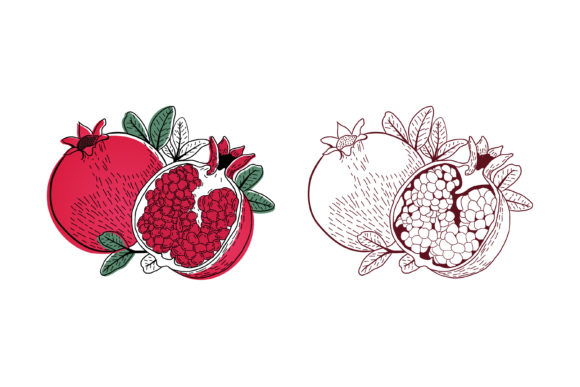
When I am looking for a design to anchor a new collection of handmade goods, I am rarely impressed by anything that feels too busy or too flat. I need something with character, something that tells a story before the customer even touches the fabric. That is exactly what Illustration Delima Retro Style offers. As an experienced designer who reviews embroidery assets for real-world application, I have spent considerable time evaluating how this vector illustration translates from a screen to the needle. This is not just another clip-art pomegranate; it is a botanical piece with an engraved aesthetic that demands respect in its execution.
The First Impression: Mood and Visual Personality
The moment you open the file for Illustration Delima Retro Style, the mood is immediately established. The retro styling suggests a vintage apothecary or a mid-century botanical garden guide. It feels grounded, earthy, and timeless. For designers who are tired of the overly cute or minimalist trends flooding platforms like Etsy, this design offers a sophisticated alternative. The "engraved" look mentioned in the description implies fine lines and cross-hatching, which gives the fruit volume and texture without relying on heavy shading.
This visual personality makes it incredibly versatile. It does not scream for attention; rather, it invites the viewer to look closer. When I imagine this stitched onto a garment, I see a product that feels curated. It fits perfectly into the niche of slow fashion, organic home goods, and artisanal gifts. The high-resolution 300dpi nature of the source file ensures that when we scale this down for a small patch or up for a large tote bag, the integrity of those delicate engraved lines remains intact. There is no pixelation, which is the first hurdle any digital asset must clear.
Real-World Application: From Screen to Stitch
I recently put Illustration Delima Retro Style to the test for a custom client project involving personalized aprons for a local bakery. The client wanted something that felt professional yet warm, avoiding the typical generic kitchen motifs. The pomegranate theme worked beautifully because it symbolizes abundance and prosperity, aligning perfectly with their brand values. However, the success of the project depended entirely on how well the design translated into thread.
In terms of performance, this design excels in areas where detail meets durability. On a cotton canvas tote bag, the engraved style allows for a rich fill stitch that catches the light differently depending on the angle. It works exceptionally well as a chest-sized logo on sweatshirts, providing a focal point that is elegant rather than loud. For baby items, such as muslin blankets or burp cloths, the soft curves of the fruit combined with the structured lines of the leaves create a calming, nursery-appropriate aesthetic. It is also a strong candidate for embroidered patches, where the defined edges help the design stand out against denim or uniform fabrics.
I also considered using this for holiday embroidery projects. Pomegranates are often associated with winter holidays and festive gatherings. Using Illustration Delima Retro Style on tea towels or pillow covers during the holiday season adds a touch of rustic charm that resonates with buyers looking for meaningful, handmade gifts. The design’s ability to hold its shape across various mediums—from stretchy knit caps to woven linen napkins—makes it a reliable asset for any craft business owner.
Where Caution Is Required
Despite its strengths, no design is perfect for every situation. As a reviewer, I must highlight where Illustration Delima Retro Style might present challenges. The intricate, engraved details mean that this design has a moderate to high stitch density. If you attempt to digitize this for a very small hoop size, you risk losing the definition of the inner seeds or the fine leaf veins. The design requires enough space to breathe; cramming it into a tiny area will result in a muddy, indistinct blob.
Fabric choice is equally critical. While the design looks stunning on stable, medium-weight fabrics like cotton duck or denim, it can struggle on highly textured or thin materials. On a loose-weave linen or a sheer chiffon, the stabilizer requirements become complex, and the tension may distort the fine lines. Similarly, on dark fabrics, the contrast becomes paramount. If your thread selection does not provide sufficient opacity, the subtle shading of the engraved style will disappear into the background. Always test color contrast rigorously.
Furthermore, be mindful of curved surfaces like baseball caps. The retro style relies on symmetry and balance. Distorting the design over a curved brim can ruin the visual harmony unless the digitization includes specific compensation techniques. For products that require frequent washing, such as kitchen towels or everyday totes, ensure that the satin stitches around the perimeter are tight enough to prevent fraying, but not so dense that they pucker the fabric over time.
Practical Designer Notes for Success
To get the most out of Illustration Delima Retro Style, I recommend a few practical steps before committing to a full production run. First and foremost, always test the design on scrap fabric that matches the final product in weight and texture. This allows you to inspect the stitch density and identify any potential pulling or distortion early in the process.
Check your thread colors carefully. Because the design is monochromatic or limited in palette due to its engraved style, the choice of thread can make or break the look. A metallic thread might add a luxurious feel for a boutique gift item, while a matte cotton thread would enhance the rustic, handmade appeal. Use proper stabilizer backing; for lightweight fabrics, a cut-away stabilizer is essential to maintain the integrity of the fine details after washing.
Inspect the small details closely. Zoom in on the digital file to ensure that the smallest elements are not so minute that they will stitch out as mere dots. If necessary, simplify the design slightly during the digitization phase to prioritize clarity over absolute fidelity to the original vector. Also, consider the licensing terms. If you plan to sell finished products featuring this embroidery file, verify that your commercial license permits the creation and sale of physical goods. This is crucial for Etsy sellers and small shop owners who rely on these designs for their livelihood.
Final Verdict on Value and Appeal
Illustration Delima Retro Style is more than just a graphic; it is a tool for building brand consistency and customer trust. When a buyer sees a well-executed, detailed embroidery design on a product, they perceive higher value. They see the effort and skill involved, which justifies a premium price point. This design helps elevate simple items like plain t-shirts or basic tote bags into memorable, personalized gifts.
For digital product sellers, offering this as part of a bundle of design assets can attract buyers looking for cohesive, vintage-inspired collections. It appeals to the modern maker who values aesthetics that feel both nostalgic and current. In summary, if you are looking for a machine embroidery design that balances artistic flair with practical wearability, Illustration Delima Retro Style is a strong contender. Just remember to respect its need for space, stability, and thoughtful thread selection, and it will serve your creative projects exceptionally well.