Wildflower Graphics: A Crafts Review for Modern Bloggers
In the world of digital publishing, first impressions are everything. As a designer who spends hours tweaking CSS and refining editorial layouts, I know that the visual assets we choose do more than just decorate a page; they set the tone for reader trust and engagement. Recently, I evaluated a graphic design asset titled Wildflower, a floral illustration marketed primarily under the Crafts category. While its original description highlights uses like sign making, card making, invitation design, scrapbooking, and vinyl decals, my review focuses on its potential for real website presentation, editorial content, and content publishing workflows.
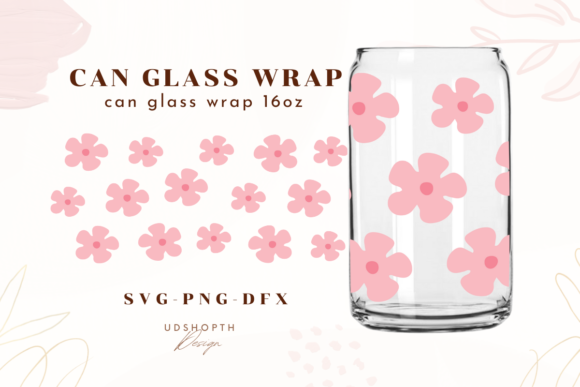
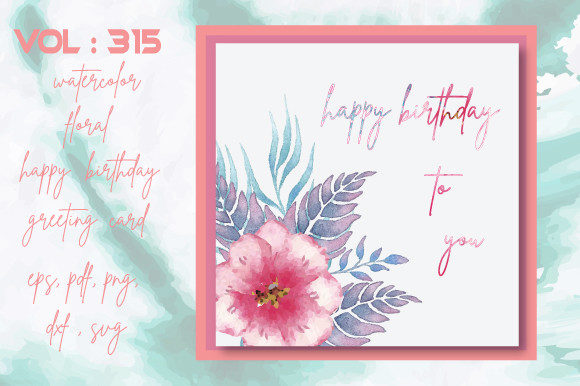
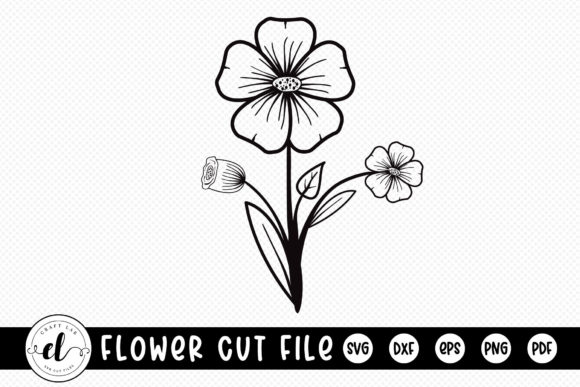
This flower design is very beautiful which can be used for many purposes such as but not limited to sign making, card making, invitation, scrapbooking, vinyl decals and much more… The design comes in t (typically high-resolution vector or raster formats suitable for scaling). However, for bloggers, publishers, and digital marketers, the question is not whether it works on a greeting card, but whether it holds up in a competitive digital landscape. Does it support content that needs to look polished and clickable? Can it elevate a lifestyle blog or an affiliate marketing site?
Editorial Mood and Visual Identity
When you first load Wildflower into your design software, the immediate impression is one of organic elegance. It feels less like a rigid corporate logo and more like a hand-crafted element of modern design. This aesthetic naturally supports niches that value authenticity, creativity, and warmth. It fits seamlessly into lifestyle-focused blogs, feminine branding, educational resources, and seasonal content campaigns.
The artistic style strikes a balance between playful and professional. It is decorative without being cluttered, allowing it to serve as a strong visual anchor in editorial layouts. For small business owners and creative entrepreneurs, this kind of creative design helps establish a distinct brand identity. It signals to your audience that your content is curated with care, which is crucial for building long-term reader trust. Whether you are creating a newsletter banner or a downloadable resource, Wildflower adds a layer of sophistication that generic stock photos often lack.
Real-World Publishing Applications
Integrating this graphic design asset into a daily content marketing workflow requires versatility. Here is how Wildflower performs across various digital touchpoints:
- Blog Featured Images: Use the floral elements as background accents behind headline text. The organic shapes soften the bold typography, making the post title more inviting to click.
- Pinterest Pins: Pinterest is a visual search engine. Wildflower’s aesthetic is highly shareable and aligns well with popular lifestyle boards. It creates a cohesive look for your board covers and individual pins, improving recognition.
- Newsletter Graphics: Email open rates depend heavily on subject lines and preview text, but the body content benefits from visual breaks. Inserting Wildflower as a header or footer in your email blasts adds a personal, human touch that increases engagement.
- Digital Guides and Lead Magnets: If you are offering a freebie to grow your email list, the cover design matters. Wildflower works beautifully as a printable design for worksheets, eBooks, or checklists, turning a simple PDF into a perceived premium digital product.
- Social Media Posts: For Instagram or Facebook, these graphics provide consistency. You can use them as overlays or corner accents to maintain a unified feed aesthetic.
- Affiliate Content Visuals: When reviewing products, using consistent, branded graphics like Wildflower helps distinguish your recommendations from generic ads. It reinforces that the recommendation comes from a trusted creator.
Impact on Content Performance
Why does this matter for your bottom line? Because better visuals lead to better performance. By using Wildflower, you enhance several key metrics:
- Stronger First Impression: A polished design stops the scroll. Readers are more likely to stay on a page that looks professionally assembled.
- Clearer Visual Hierarchy: The organic curves of the flowers can guide the eye toward important calls-to-action or key information.
- Better Click-Through Potential: Consistent, attractive thumbnails increase the likelihood of clicks from social feeds and search results.
- Improved Reader Trust: High-quality design assets signal legitimacy. It shows you invest in your craft, which translates to confidence in your content.
- Brand Identity Reinforcement: Repeated exposure to a specific visual style helps audiences recognize your content instantly, even before they see your logo.
Strategic Placement and Best Practices
To get the most out of this asset, strategic placement is key. It excels in hero images where space allows the design to breathe. It is also effective as an editorial accent in article headers or sidebars. For category visuals, it can help differentiate sections of your website, making navigation intuitive and aesthetically pleasing.
However, there are areas where caution is advised. Small mobile thumbnails may lose detail if the floral elements are too intricate. Text-heavy blog images can become visually noisy if the graphic competes with the copy. Low-contrast backgrounds might make the design disappear, while busy layouts can overwhelm the viewer. Additionally, if your niche is serious professional consulting, corporate finance, or B2B technology, this whimsical style may clash with the required minimal visual system. In such cases, stick to cleaner, more abstract design assets.
Practical Publisher Notes for Implementation
Before adding Wildflower to your library of design assets, consider these technical checks:
- Responsive Testing: Always test the graphic on desktop and mobile screens. Ensure it scales correctly without pixelation.
- Thumbnail Preview: Zoom out to 10% size to see if the design remains recognizable as a tiny icon or thumbnail.
- Typography Pairing: Try placing the graphic beside serif fonts for a classic editorial look, sans serif fonts for modern clarity, script fonts for elegance, handwritten fonts for a personal touch, and display fonts for impact. Find the combination that enhances readability.
- Contrast and Readability: Check how the design looks against different background colors. Ensure text overlaid on or near the graphic maintains sufficient contrast.
- Black and White Test: Convert the image to grayscale to check its structural integrity. If it loses meaning in black and white, it may rely too heavily on color rather than form.
- Web Performance: Review file size. Compress images properly to ensure fast load times, which is critical for SEO and user experience.
- Licensing Verification: Confirm commercial license terms. Even though it is sold as a crafts item, ensure you have the right to use it on monetized websites, affiliate pages, and paid content products.
Ultimately, Wildflower is more than just a pretty picture for scrapbooking. It is a versatile tool for content creators who want to elevate their digital presence. By integrating this graphic design asset into your blog graphics, web design, and social media strategy, you create a more cohesive and compelling narrative for your audience. Whether you are designing a Canva template, a digital guide, or a simple blog post, Wildflower offers the creative spark needed to stand out in a crowded digital marketplace.