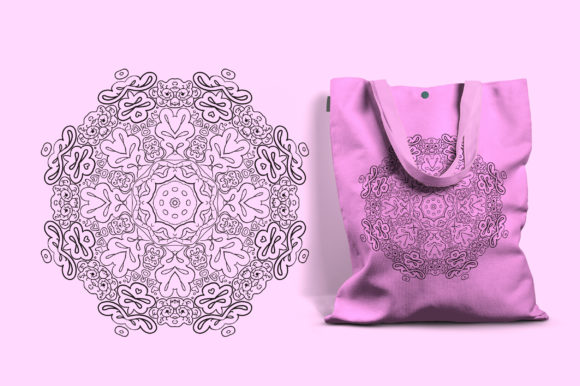
Zentangl Relaxation Graphics and Illustrations Review
In the world of digital publishing, visual communication is not merely decorative; it is a functional component of content strategy. As an experienced blog designer and digital publisher, I have learned that the aesthetic quality of your graphics directly influences reader trust, click-through rates, and overall brand perception. Today, I am reviewing a specific graphic design asset titled Zentangl Relaxation. Hand Drawn. This collection of illustrations offers a unique opportunity to elevate editorial content, particularly for niches focused on wellness, lifestyle, creativity, and mindful living.
The First Impression: Editorial Mood and Visual Identity
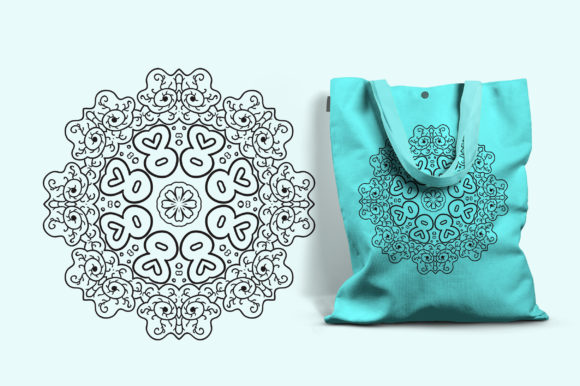
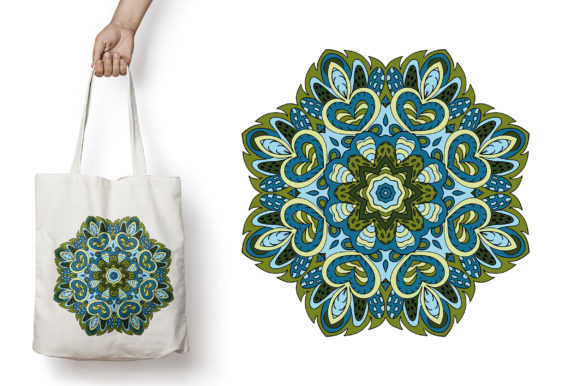
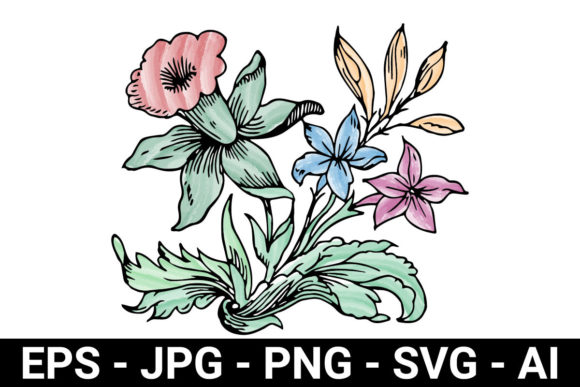
When you first encounter the Zentangl Relaxation. Hand Drawn asset, the immediate takeaway is its intricate, organic nature. The description highlights floral lace motifs, mandala patterns, and hand-drawn elements that evoke a sense of calm and artistic detail. Unlike rigid geometric shapes or corporate minimalism, this design carries a human touch. It feels soft, feminine, and deeply relaxing.
For a publisher, this mood is invaluable. It creates an editorial atmosphere that invites the reader to slow down and engage with the content. If your website focuses on yoga, mental health, DIY crafts, or creative journaling, this asset aligns perfectly with your brand identity. It signals to your audience that your content is curated with care and attention to detail. The hand-drawn quality adds authenticity, which is crucial in an era where users are increasingly skeptical of overly polished, stock-photo-heavy websites. By using these illustrations, you are leveraging creative design to build a more relatable and trustworthy connection with your readers.
Real-World Publishing Applications
The versatility of Zentangl Relaxation. Hand Drawn makes it suitable for a wide array of publishing workflows. Here is how I recommend integrating these graphics into your content marketing strategy:
- Pinterest Pins and Social Media Graphics: Pinterest is a visual search engine, and intricate designs often stand out in crowded feeds. Use the mandala and lace motifs as backgrounds or overlays for your tips and quotes. These social media graphics can increase visibility and drive traffic back to your blog posts.
- Blog Featured Images and Headers: Replace generic photography with these illustrations for article headers. They provide a consistent visual hierarchy and help establish a recognizable brand identity across different posts.
- Digital Guides and Lead Magnets: When creating downloadable resources such as worksheets, checklists, or eBooks, use these assets to create professional-looking covers and section dividers. A well-designed digital guide increases the perceived value of your lead magnet, encouraging more email sign-ups.
- Newsletter Banners: Email open rates depend heavily on subject lines and preview text, but the visual layout of the newsletter itself keeps readers engaged. Incorporating these illustrations into your newsletter headers adds a touch of elegance and reinforces your brand’s aesthetic.
- Affiliate Content Visuals: For affiliate marketers, product reviews need to look authentic yet polished. Using these illustrations to frame product shots or create comparison charts can make your affiliate pages look less salesy and more editorial, which often leads to higher conversion rates.
Enhancing Content Performance Through Design
Investing time in high-quality design assets yields measurable returns. By using Zentangl Relaxation. Hand Drawn, you are not just adding pictures; you are optimizing your site for user experience. A stronger first impression can reduce bounce rates, while clearer visual hierarchy guides the reader’s eye to key calls-to-action. Furthermore, consistent branding through repeated use of these motifs helps with category recognition. When a visitor sees the same intricate lace pattern on your sidebar, footer, and social media, they begin to associate that style with your unique voice.
Strategic Placement for Maximum Impact
To get the most out of this asset, consider where it fits best within your web design ecosystem. It excels in areas where space allows for detail to be appreciated:
- Hero Images: Use a subtle overlay of the mandala pattern behind your main headline text to add depth without distracting from the message.
- Article Thumbnails: Create custom thumbnails that feature these illustrations to differentiate your posts from competitors who use standard photos.
- Editorial Accents: Use small fragments of the floral lace motifs as bullet points or section breaks within long-form articles. This breaks up text and maintains reader interest.
- Content Upgrades: Offer exclusive printable designs based on these illustrations as a bonus for subscribing. This adds tangible value to your offer.
Areas Requiring Caution
While this asset is powerful, it is not a one-size-fits-all solution. There are specific contexts where Zentangl Relaxation. Hand Drawn may not perform well:
- Small Mobile Thumbnails: Intricate details can become muddy when scaled down to tiny sizes on mobile devices. Test these graphics at thumbnail size to ensure they remain legible.
- Text-Heavy Blog Images: Avoid placing dense text over complex patterns. The contrast between the detailed illustrations and typography can reduce readability.
- Serious Professional Niches: If your content is strictly corporate, legal, or financial, the playful and artistic nature of these illustrations may undermine your authority. In such cases, a more minimal visual system is preferred.
- Busy Layouts: Do not combine these graphics with other busy elements. Let the illustrations breathe by pairing them with ample white space.
Practical Publisher Notes for Implementation
Before deploying these graphics across your platform, follow these practical steps to ensure technical excellence and legal compliance:
Test Across Devices: Always preview your designs on both desktop and mobile screens. What looks elegant on a large monitor may appear cluttered on a smartphone. Check how the graphics look as thumbnails in your RSS feed and social media previews.
Typography Pairing: Experiment with font combinations. These illustrations pair beautifully with serif fonts for a classic, editorial look, or script fonts for a personal, handwritten feel. Try placing them beside sans-serif fonts for a modern contrast, or display fonts for bold headlines. Avoid pairing them with other handwritten fonts, as this can create visual chaos.
Contrast and Readability: Ensure sufficient contrast between your text and the illustration. If the background is dark, use light text, and vice versa. You can also test the graphics in black and white to see if the composition holds up without color.
Web Performance: Large image files can slow down your website, negatively impacting SEO and user experience. Compress your images properly using tools like TinyPNG or ImageOptim. Confirm that your file sizes are optimized for fast loading times.
Licensing Verification: Finally, always review the commercial license before using any commercial design asset. Ensure you have the right to use these illustrations on monetized websites, affiliate pages, and paid content products. Whether you are selling physical goods like canvas bags and t-shirts or digital downloads, having proper commercial licensing protects your business from legal issues.
Conclusion for Digital Creators
In summary, Zentangl Relaxation. Hand Drawn is a versatile and aesthetically pleasing graphic design asset that can significantly enhance the editorial quality of your content. By integrating these illustrations into your blog graphics, website headers, and digital products, you create a cohesive and engaging user experience. Whether you are a small business owner looking to refine your small business branding or a content creator seeking to improve your content marketing visuals, this asset offers a sophisticated way to communicate your message. Remember to test, optimize, and respect licensing agreements to ensure your design efforts support your long-term publishing goals.