3D Layered Floral Decoration: A Designer’s Review of 3D SVG Shapes
I recently received a brief from a client launching a boutique skincare line focused on natural ingredients. The brand identity needed to feel organic, luxurious, and tactile, but the existing visual assets felt flat and digital. We were looking for a graphic design asset that could introduce depth and texture without compromising the clean aesthetic required for high-end packaging. That is when I evaluated the 3D Layered Floral Decoration. As a designer who spends hours refining brand identity systems and preparing files for print, I don’t just look at how an image looks; I analyze its structural integrity, versatility, and commercial viability.
This review breaks down whether this SVG design holds up under professional scrutiny for real-world applications like packaging design, marketing visuals, and print-on-demand products.
First Impressions: Mood and Visual Style
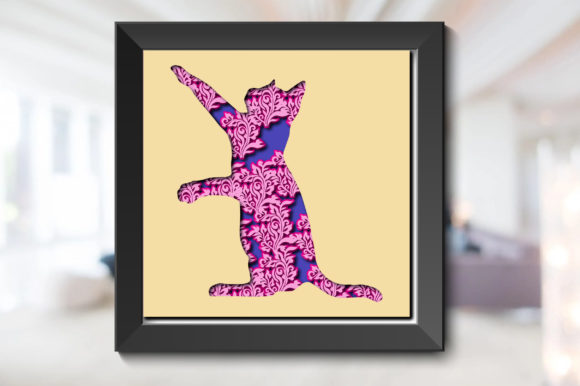
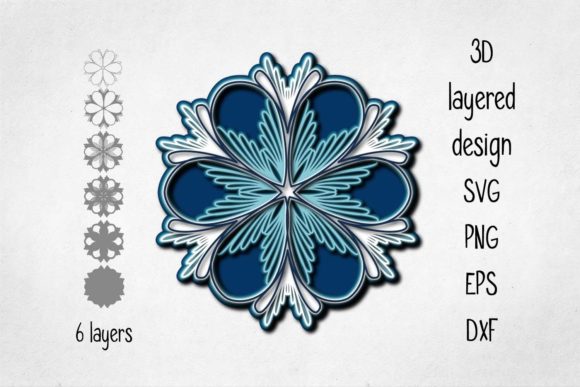
The moment you load the file, the first thing that strikes you is the intentional use of negative space and shadow simulation. Unlike standard vector illustrations that often feel two-dimensional, this piece leverages a 3D multilayer design approach. It creates a sense of physical presence, mimicking the look of die-cut paper or embossed foil. The mood it establishes is romantic yet structured—perfect for brands aiming for a modern, elegant vibe.
In terms of style, it sits comfortably in the realm of contemporary editorial design. It isn’t overly ornate or baroque; instead, it offers a streamlined floral motif that reads clearly even at a glance. This makes it highly suitable for small business branding where clarity is key. The layers are distinct, allowing for a dynamic visual hierarchy that guides the eye naturally through the composition. For a project requiring emotional appeal and audience engagement, such as a wedding invitation suite or a luxury gift box, this asset delivers immediate polish.
Performance in Real Design Situations
To determine if this asset is truly versatile, I tested it across several common design scenarios. Here is how the 3D Layered Floral Decoration performed:
- Packaging Design: This is arguably its strongest use case. When applied to product labels or box inserts, the layered effect simulates depth, making the packaging feel more substantial and premium. It elevates a simple cardboard box into a product mockup worthy of social media sharing.
- Social Media Graphics: For Instagram posts and Pinterest pins, the 3D effect stops the scroll. The contrast between layers creates a focal point that draws attention without needing heavy text overlays. It works exceptionally well as a background element behind promotional text.
- Merchandise and Apparel: I experimented with placing this on t-shirt designs and tote bags. While it can work for artistic prints, care must be taken with color separation. On dark fabrics, the lighter layers pop beautifully, whereas on light fabrics, it might require a solid backing to maintain visibility.
- Web Design and Digital Ads: In web design, these vectors scale infinitely without pixelation. They serve as excellent hero graphics or decorative accents that add personality to landing pages without slowing down load times significantly.
- Cricut Projects and Stickers: For crafters using Cricut or Silhouette machines, this file is a goldmine. The separate layers allow for precise cutting and layering, creating tangible sticker design elements or wall art that feels handmade and artisanal.
Where It Shines: Strategic Placement
This asset performs best when given room to breathe. Large layout areas and hero graphics are ideal because they allow the viewer to appreciate the nuance of each layer. It also excels as a supporting brand element in themed collections, such as seasonal campaigns (e.g., spring launches) or holiday marketing visuals.
When used in editorial design or blog visuals, it adds a touch of sophistication that stock photos often lack. Because it is a vector-based shape, it integrates seamlessly into Canva templates or Adobe Illustrator workflows, allowing designers to adjust colors to match specific brand palettes instantly. This flexibility is crucial for maintaining visual consistency across multiple touchpoints.
Areas Requiring Caution
No asset is perfect, and there are contexts where the 3D Layered Floral Decoration should be used carefully. In small sizes, such as favicon icons or tiny thumbnail images, the intricate layers may blur together, losing their 3D impact and appearing as a muddy blob. Similarly, in crowded layouts with dense typography, this graphic can compete for attention rather than complement it.
It is generally not recommended for minimalist branding projects that rely on stark, monochromatic simplicity. Additionally, in professional corporate materials where a serious tone is required, the whimsical nature of the florals might undermine the message of authority and stability. Always consider the visual hierarchy; if the text is the primary message, ensure the graphic remains a secondary accent.
Practical Designer Notes for Commercial Use
Before integrating this asset into a client project, there are several technical checks every designer should perform:
- Test in Black and White: Convert the design to grayscale to ensure the layers still provide enough contrast to be distinguishable. If the shadows disappear, the 3D effect will fail in print.
- Check Contrast on Backgrounds: Preview the asset on both light and dark backgrounds. You may need to invert colors or add a drop shadow to ensure readability against complex backgrounds.
- Review File Formats: Confirm that the package includes editable SVG files for web and vector work, along with high-resolution PNGs for quick placement. Inspect the transparency of PNGs to ensure no white halos remain around the edges.
- Font Pairing: Experiment with different typefaces. A serif font can enhance the classic, elegant feel, while a sans-serif font modernizes the look. Avoid handwritten fonts that might clash with the structured geometry of the layers.
- Print Quality Test: Print a test page to check how the layers hold up physically. Ensure that the lines are crisp and that the "shadow" effects do not bleed during printing.
- Commercial Licensing: Always verify the commercial license terms. Some assets restrict usage in resale items or limit the number of end products. Clear this up before delivering final designs to clients.
Final Verdict
The 3D Layered Floral Decoration is a robust creative design tool that bridges the gap between digital illustration and physical craft. Its ability to simulate depth makes it invaluable for digital sellers and print-on-demand entrepreneurs looking to add value to their products. For graphic designers, it offers a ready-made solution for adding elegance and complexity to design bundles and illustrations.
While it requires thoughtful placement to avoid visual clutter, its versatility across sublimation design, product mockups, and marketing visuals makes it a worthwhile addition to any creative library. It transforms flat concepts into engaging experiences, proving that even in a digital-first world, the illusion of texture and depth remains a powerful tool for connection and conversion.