Hand Drawn Flower Art Line Illustrations Review
As a designer who spends more time staring at stitch charts than sleeping, I have learned to be skeptical of any digital asset that promises too much. When I first pulled up Hand Drawn Flower Art Line Illustrations, my initial reaction was one of cautious optimism. The description highlights a "flower line art set vector" in black and white, which immediately signals a specific aesthetic: clean, minimalist, and versatile. But does it hold up when the needle starts moving? Can it survive the transition from a crisp screen to textured cotton or sturdy canvas?
I decided to put this design through its paces not just as a static image, but as a potential core element for a real-world embroidery project. My goal was to determine if these graphics are merely decorative fillers or if they possess the structural integrity and visual weight required for commercial-grade handmade products.
The First Impression: Mood and Visual Personality
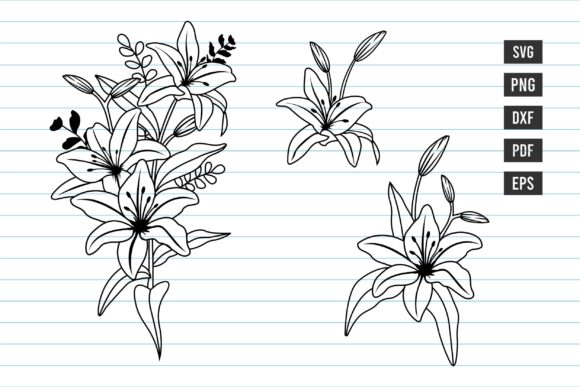
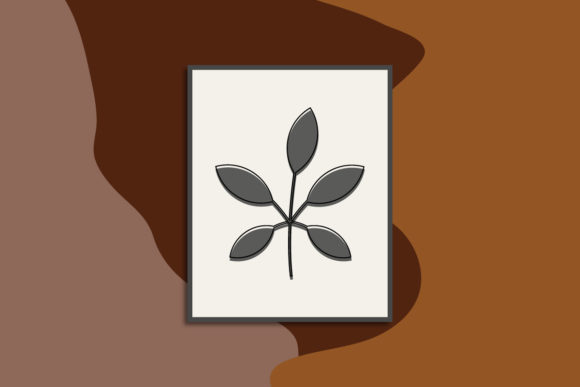
The immediate appeal of Hand Drawn Flower Art Line Illustrations lies in its sketch-like quality. Unlike rigid, geometric floral patterns that can feel cold or industrial, this set carries the warmth of hand-drawn art. The lines vary slightly in thickness, mimicking the pressure of a pen or pencil on paper. This organic feel is crucial for modern branding, especially for boutiques targeting customers who value authenticity over mass production.
Visually, the black-and-white contrast offers a stark elegance. It creates a mood that is both vintage and contemporary. For an embroidery designer, this translates to a design that feels sophisticated without being overly complex. It suggests a project that is refined yet accessible, perfect for items where you want the craftsmanship to speak louder than loud colors. The layout feels balanced, giving enough negative space to breathe, which is a critical factor when translating digital vectors into physical thread.
Real-World Application: The Custom Tote Bag Scenario
To truly evaluate Hand Drawn Flower Art Line Illustrations, I imagined using it for a high-stakes client request: a custom embroidered tote bag for a local flower shop owner. This is a common scenario for Etsy sellers and small business owners. The product needs to be durable, visually striking from a distance, and capable of withstanding frequent washing.
When mapping out this embroidery project, the line art nature of the design becomes a strategic advantage. Because the design relies on outlines rather than dense fills, it allows for a lighter touch on the fabric. On a canvas tote, heavy satin stitches can cause the fabric to pucker or distort, ruining the shape of the bag. However, using running stitches or light fill stitches to trace these delicate lines preserves the structure of the bag while maintaining the artistic integrity of the illustration.
The result would be a handmade product that looks expensive and thoughtful. Customers browsing craft fairs or online shops are drawn to items that look professionally finished. A well-executed line art design on a tote bag signals attention to detail. It elevates a simple accessory into a piece of wearable art, increasing the perceived value of the item. This kind of custom apparel or accessory decoration appeals directly to buyers looking for personalized gifts or unique boutique branding.
Performance Across Different Mediums
Beyond tote bags, Hand Drawn Flower Art Line Illustrations shows remarkable versatility across various design assets. Here is how it performs in different contexts:
- Sweatshirt Embroidery: On a fleece or cotton blend sweatshirt, the fine lines of the illustration provide a subtle, chic contrast. It avoids the bulky look often associated with large floral designs, making it ideal for chest logos or small back prints on custom apparel.
- Baby Embroidery: For onesies or nursery decor, the soft, sketchy lines feel gentle and safe. There are no harsh edges or aggressive shapes. This makes it an excellent choice for personalized gift items aimed at new parents who prefer minimalist aesthetics.
- Embroidered Patches: The clear definition of the line art makes it suitable for creating patches. Whether used for denim jackets or backpacks, the design holds its shape well because the eye follows the continuous lines rather than getting lost in complex shading.
- Kitchen Towels and Aprons: In a home setting, this design adds a touch of botanical elegance to functional items. The black and white theme ensures it matches any kitchen decor, making it a safe yet stylish choice for commercial embroidery businesses offering home goods.
Where Caution Is Required
No design is flawless, and as an experienced reviewer, I must highlight areas where Hand Drawn Flower Art Line Illustrations requires careful handling. The very delicacy that gives it charm can also be its weakness if not executed correctly.
Hoop Size and Detail Loss: If you attempt to digitize or embroider this design in a very small hoop size, the fine lines may merge together. Thin strokes can disappear or become jagged if the stitch density is not optimized. It is essential to check the minimum viable hoop size before committing to a tiny placement, such as on a baby hat or a small cuff.
Fabric Texture and Stability: Textured fabrics, such as thick wool or heavily woven burlap, can obscure the fine details of line art. The thread might sink into the weave, losing the crispness of the original illustration. Similarly, stretchy fabrics like jersey knits require a strong stabilizer to prevent the delicate lines from warping during stitching. Without proper support, the symmetry of the flower illustration could be compromised.
Dark Fabrics and Contrast: Since the source is described as black and white line art, using white thread on dark fabric (or vice versa) provides maximum visibility. However, if the line work is extremely thin, low-contrast thread combinations (like grey on black) may result in a design that is hard to see. Always test thread color contrast against your chosen fabric swatch.
Practical Designer Notes for Success
To ensure that your final finished product meets professional standards, follow these practical steps when working with Hand Drawn Flower Art Line Illustrations:
- Test on Scrap Fabric: Never start on your final product. Run the design on a scrap piece of the same fabric type to check for puckering, tension issues, and clarity.
- Review Stitch Density: Ensure the digitization uses appropriate stitch types. A combination of satin stitch for bold outlines and running stitch for inner details often works best for line art. Avoid excessive fill stitches that can weigh down the design.
- Check Licensing: Before selling any items made from this digital embroidery file, confirm the license terms. Determine if it covers commercial use for physical goods or if restrictions apply to the number of units produced.
- Mockup Testing: Use printable mockups to visualize the design on different backgrounds. Seeing the Illustrations Graphics on a muted beige tote versus a bright yellow apron helps you understand how the black and white palette interacts with other colors in your collection.
- Inspect Small Details: Zoom in on the digital file before digitizing. Are there any disconnected lines or overlapping paths that could cause thread breaks? Cleaning up the vector data beforehand saves hours of troubleshooting later.
Final Verdict
Hand Drawn Flower Art Line Illustrations is a strong candidate for designers seeking a blend of elegance and simplicity. It excels in projects where subtlety is key, such as boutique branding, personalized gifts, and minimalist home decor. While it demands respect for fabric choice and stabilizer usage, the payoff is a sophisticated embroidery project that stands out in a crowded market.
For Etsy sellers and craft business owners, this design offers a reliable way to create high-value items without relying on complex color palettes. It is a testament to the power of simplicity in design. By focusing on clean lines and organic shapes, it invites the viewer to appreciate the artistry of the stitch itself. If you are looking to add a touch of refined botanical beauty to your small shop product lineup, this design deserves a serious spot in your library.