Hand Drawn Flower Borders Clip Art Review
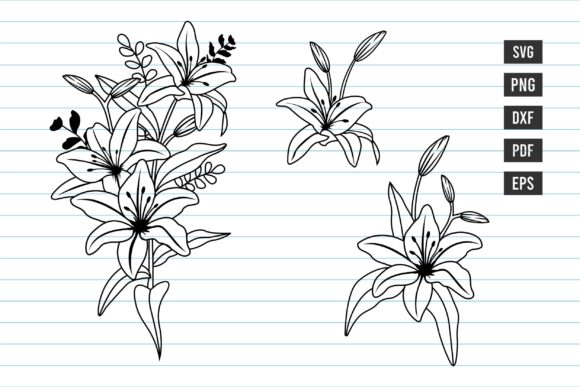
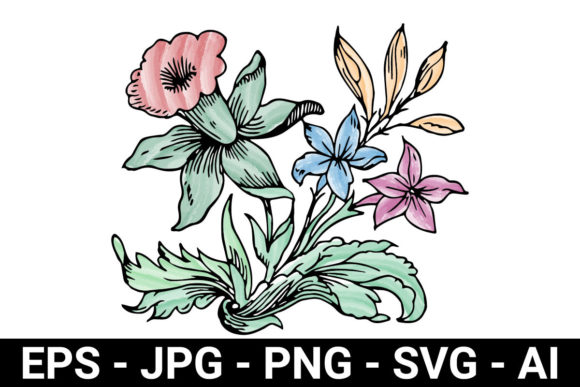
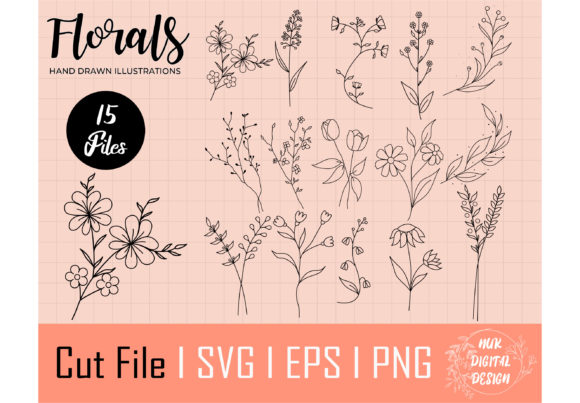
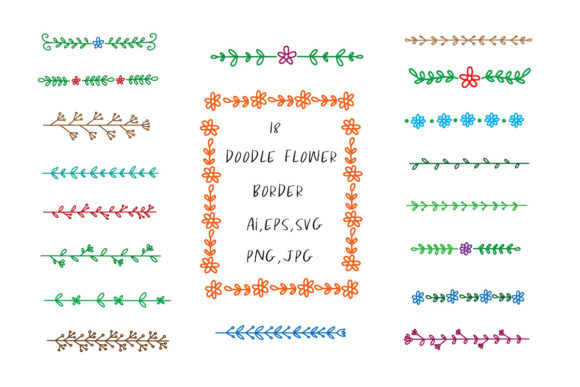
When I first opened the files for Hand Drawn Flower Borders Clip Art, I didn't just see a collection of illustrations; I saw potential. As a designer who spends most of my day translating digital graphics into tangible stitched pieces, my first instinct is always to ask: "Will this hold up under the needle?" This isn't just another set of generic vector lines. The Floral Doodle Design Element carries a distinct personality that feels organic and slightly imperfect in the best way possible. It has that hand-sketched charm that machine embroidery can sometimes struggle to replicate, yet this design seems perfectly suited for it.
The mood it creates is immediately inviting. Unlike rigid, geometric borders that feel stiff on a finished product, these flower borders feel like they were drawn with a quick pencil stroke. They possess a whimsical, approachable vibe that fits naturally into the world of handmade goods. Whether you are an Etsy seller looking to differentiate your shop or a craft business owner creating boutique branding, this asset offers a visual warmth that customers respond to instantly. It suggests care and attention to detail before the customer even touches the item.
From Digital File to Finished Product
Let's talk about a real scenario. Imagine you are preparing a custom embroidered tote bag for a local artisan market. You want something that screams "handmade" but looks professional enough to command a higher price point. You decide to use the Hand Drawn Flower Borders Clip Art as a framing element around the main logo or as a standalone decorative band near the bottom hem. In a digital mockup, it looks great. But how does it translate to fabric?
In my experience testing similar assets, the key lies in the line weight and the spacing. These borders have enough substance to catch the thread without becoming a muddy mess of stitches. When converted into a machine embroidery design, the running stitch elements would likely render beautifully on a canvas tote, giving it that soft, sketch-like texture. However, if you plan to use this on a sweatshirt or a baby onesie, you need to be mindful of the stitch density. A dense fill stitch might flatten the delicate nature of the doodle, whereas a combination of satin stitch for outlines and light fill could preserve the airy feel of the original illustration.
I also considered using this for holiday gifts. Picture a kitchen towel or a pillow cover featuring these borders framing a monogram. The asymmetry of the flowers adds a touch of elegance that feels less corporate and more personal. For a small shop product, this level of detail elevates the perceived value. It tells the buyer that you selected a unique asset rather than grabbing a standard clip art file from a free library. That distinction matters when building trust with your audience.
Navigating Fabric and Surface Challenges
While the design is versatile, it is not without its challenges. If you are working with textured fabrics like heavy denim or chunky knits, the fine details of the Hand Drawn Flower Borders Clip Art might get lost. The ridges in the fabric can distort the smooth curves of the floral doodles, making them look jagged or uneven. Similarly, thin fabrics require a very careful approach to stabilizer selection. Without proper support, the tension required to stitch these borders could cause puckering, ruining the clean aesthetic of the design.
Stretchy fabrics present another hurdle. Embroidery on stretchy material often requires a different hoop size and technique to prevent distortion. If you attempt to stitch these borders onto a cap or a fitted hat, the curved surface might compress the design, causing the flowers to overlap awkwardly. In such cases, I recommend scaling the design down slightly or simplifying the stitch pattern to ensure the border remains legible. For detailed corners or tiny lettering integrated into the border, test runs on scrap fabric are non-negotiable. You don't want to discover that a specific corner detail disappears after the first wash until it is too late.
Dense stitch areas can also be tricky. If the original graphic has overlapping petals or intricate intersections, converting this directly into an embroidery file might result in excessive thread buildup. This can lead to thread breaks or difficulty in hooping the next section of the project. For commercial embroidery projects, where efficiency is key, you might need to manually adjust the stitch density to ensure the machine can run smoothly without frequent stoppages.
Strategic Use for Craft Business Owners
For those selling finished products, the choice of design asset impacts brand consistency. Using Hand Drawn Flower Borders Clip Art allows you to create a cohesive look across your product line. Whether you are designing apparel, patches, or home decor, the consistent style of the borders helps customers recognize your work immediately. This visual recognition is crucial for repeat business and word-of-mouth referrals.
However, before you commit to a large production run, there are practical steps you must take. First, review the stitch density. If the design is too dense, it may feel stiff and uncomfortable on wearable items like baby clothes or aprons. Second, check thread color contrast. A dark border on a dark background will disappear, while a light border on a light background might lack definition. Testing the design in black and white mockups can help you visualize how the stitches will interact with different fabric colors.
Confirming the licensing terms is equally important. If you intend to sell finished items or use these graphics in digital product previews, you must ensure you have the right to do so. Some Graphics assets are limited to personal use only, which means you cannot incorporate them into items you plan to resell. Always verify the license before integrating the design into your commercial workflow. Additionally, inspect small details closely. Sometimes, what looks perfect on a high-resolution screen can appear pixelated or broken when reduced for a small patch or a cap.
Maximizing Visual Appeal and Stitch Clarity
The true power of this design lies in its ability to bridge the gap between digital art and tactile craftsmanship. When executed correctly, the Hand Drawn Flower Borders Clip Art enhances the visual appeal of any project. It adds a layer of sophistication that makes simple items like tea towels or tote bags feel like curated gifts. The human touch inherent in the drawing translates well to embroidery, reinforcing the idea that the product was made with love.
To get the best results, use proper stabilizer tailored to your fabric type. For lightweight materials, a tear-away or cut-away stabilizer can provide the necessary support without adding bulk. For heavier fabrics, a heavier weight stabilizer might be needed to prevent shifting during stitching. Don't forget to compare light and dark fabric backgrounds during your testing phase. The same design might require a different thread palette or stitch direction depending on the base material.
If you are creating an applique design based on these borders, the process changes slightly. You would need to cut out the shapes and stitch them onto the fabric, which allows for more texture and dimension. This technique works exceptionally well for decorative accents on jackets or bags, where the border serves as a focal point rather than a subtle frame.
Ultimately, the decision to use Hand Drawn Flower Borders Clip Art depends on your specific project goals. If you are aiming for a rustic, charming, or boutique aesthetic, this design is a strong contender. It offers a balance of detail and simplicity that appeals to modern consumers who value authenticity. By taking the time to test, adjust, and refine your approach, you can turn a simple digital file into a standout feature of your handmade product line.
Remember, the goal is not just to stitch a design, but to create an experience. When customers receive a personalized gift or a custom piece of apparel featuring these carefully stitched borders, they are engaging with a story of craftsmanship. That emotional connection is what drives sales and builds loyalty in the crowded marketplace of handmade goods. So, grab your hoop, select your threads, and let the Floral Doodle Design Element bring your next project to life.