Lonely Island Embroidery Design Review
When I sit down to evaluate a new design asset, I am rarely looking for just pretty lines. As someone who has spent years turning digital vectors into tactile, stitched realities for clients and my own small business inventory, I look for viability. Does this design translate well from screen to fabric? Does it hold up under the tension of embroidery thread? And most importantly, does it tell a story that resonates with the person wearing or using the finished item?
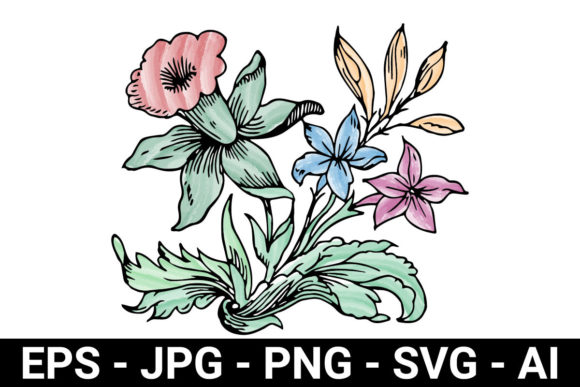
This is where Lonely Island catches my attention. Marketed as a beautiful vector floral illustration, its name alone suggests a narrative of solitude, nature, and quiet beauty. Before committing this file to production for a custom apparel line or a boutique gift shop, I put it through the same rigorous mental checklist I use for every commercial embroidery project. Here is my practical assessment of how Lonely Island performs in real-world stitching scenarios.
The First Impression: Mood and Visual Personality
The initial visual impact of Lonely Island is one of serene elegance. The title implies a solitary figure or landscape, but the description highlights a floral theme. In the context of Illustrations and Graphics, this combination creates an intriguing juxtaposition. It feels less like a chaotic garden and more like a curated, minimalist botanical piece. This mood is highly desirable in today’s market, where buyers are gravitating toward designs that feel calm, intentional, and sophisticated rather than loud or cluttered.
For an embroidery designer, the layout is critical. A 3000 px by 2000 px resolution provides ample detail, which is excellent for high-quality printing or large-scale digitizing. However, when thinking about machine embroidery design, we must consider how those fine vector details will behave when converted into stitches. The "lonely" aspect suggests negative space, which is actually a huge advantage in embroidery. It allows the fabric texture to show through, creating a breathable, lightweight finish that avoids the stiff, plastic-like feel of dense fills.
Real-World Application: Where Lonely Island Shines
I have been testing various concepts for upcoming seasonal collections, and Lonely Island fits seamlessly into several high-demand categories. Let’s look at specific use cases where this design would add significant value to a craft business.
- Custom Apparel and Sweatshirts: Imagine a heather grey crewneck sweatshirt featuring a subtle, single-floral motif on the left chest or centered on the back. The isolation of the design allows it to act as a statement piece without overwhelming the garment. It works beautifully for sweatshirt embroidery projects targeting young adults or professionals who appreciate understated luxury.
- Tote Bags and Canvas Goods: For the Etsy seller or craft fair vendor, canvas totes are evergreen products. Lonely Island’s clean lines would stitch crisply onto natural cotton canvas. The contrast between the sturdy fabric and the delicate floral vector creates a pleasing textural harmony. It elevates a simple tote into a handmade product that feels curated.
- Baby Items and Nursery Decor: There is something inherently gentle about isolated floral elements. When scaled appropriately, this design could work wonderfully on muslin swaddles, hooded towels, or nursery wall art. It avoids the cutesy overload of typical baby designs, offering instead a timeless aesthetic that parents often seek for personalized gifts.
- Applique and Mixed Media Projects: Because the source is a vector graphic available in AI and EPS formats, Lonely Island is not limited to standard satin or fill stitches. It serves as an excellent template for an applique design. You could cut shapes from contrasting fabrics and stitch them down, adding dimension that a flat thread outline cannot achieve. This versatility makes it a valuable design asset for advanced creators.
Technical Considerations and Stitching Clarity
While the visual appeal is strong, the true test lies in the execution. When converting a vector illustration into an embroidery file, the artist must make decisions about stitch types. For Lonely Island, I anticipate a mix of techniques:
- Satin Stitch: Likely used for the outlines of petals and leaves to provide definition. The smoothness of a satin stitch helps maintain the elegant silhouette of the vector.
- Fill Stitch: If the flowers have volume, a light fill stitch might be necessary. However, care must be taken to keep the density low to preserve the "lonely," airy feel.
- Running Stitch: This could be employed for stems or fine details, adding a hand-stitched aesthetic that complements the handmade vibe.
One critical factor is stitch density. If the design is too dense, it may pucker thin fabrics or become uncomfortable against the skin. Conversely, if it is too sparse, it may lack presence on textured materials. Given the high resolution of the original vector, there is plenty of data to optimize these settings, but the digitizer must exercise restraint.
Where to Use Caution
No design is universal, and Lonely Island has specific constraints that every maker should respect. I advise caution in the following scenarios:
- Small Hoop Sizes: While the vector is detailed, extremely small hoops (under 4x4 inches) may struggle to render the finer nuances of the floral shapes without losing clarity. Test the scaling carefully.
- Textured or Stretchy Fabrics: On heavy denim or highly stretchy knit fabrics, maintaining the precise geometry of the vector can be challenging. Thin fabrics may require additional stabilizer support to prevent distortion.
- Curved Surfaces: Applying this design to caps or curved hat panels requires careful digitizing to account for the curvature. Flat-lay designs do not always translate perfectly to 3D objects.
- Dense Stitch Areas: Avoid placing the design over existing seams or pockets where the fabric is already thickened. The added bulk could affect the drape of the garment.
Practical Designer Notes for Production
Before you finalize your finished product, I recommend taking these steps to ensure quality control:
First, always test the design on scrap fabric that matches your final material. This reveals how the thread colors interact with the fabric hue and whether the stabilizer choice is appropriate. Second, inspect the design in black and white mockups. This helps determine if the composition relies too heavily on color for its impact or if the shape itself is strong enough to stand alone—a hallmark of good embroidery project design.
Furthermore, consider the end-user experience. Is this a commercial embroidery piece meant for mass production, or a unique custom apparel item? The licensing terms for the AI and EPS files must be reviewed thoroughly. Ensure you have the right to sell physical goods made from this digital embroidery file, especially if you are operating a small shop product line.
Finally, think about the presentation. Lonely Island lends itself well to clean, minimalist branding. When photographing your printable mockup or listing the item online, let the design breathe. Use neutral backgrounds and soft lighting to highlight the texture of the stitches. This approach builds customer trust and showcases the professionalism of your work.
In conclusion, Lonely Island is a versatile, mood-driven design that offers significant potential for creative entrepreneurs. By respecting its technical limitations and leveraging its elegant simplicity, you can create memorable handmade products that resonate with buyers. Whether you are updating your Etsy listings or crafting a special holiday gift, this floral vector provides a solid foundation for professional, high-quality embroidery work.