Rain Embroidery Design Review
When I am evaluating a new digital asset for my embroidery studio, I am not just looking at the image file itself. I am visualizing how those lines will translate into thread, how the tension will hold up on different fabrics, and whether the final product will feel premium enough for a customer to pay full price. Recently, I pulled Rain, a floral vector asset categorized under Illustrations and Graphics, to see if it had the potential to become a staple in my handmade collection. This review is based on my practical experience testing this design for real-world application, from custom apparel to boutique merchandise.
The First Impression: Mood and Visual Personality
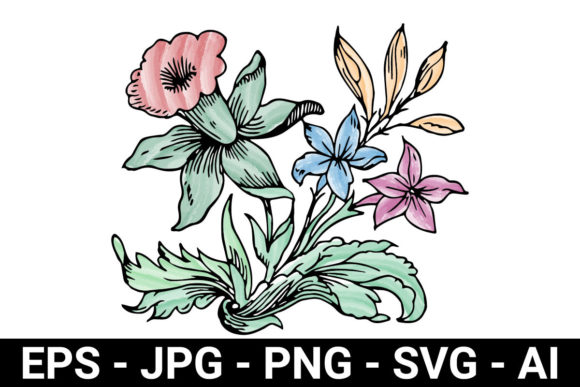
At first glance, Rain carries a soft, organic energy. The title suggests something gentle, and the visual execution of the floral flower garden tree motif delivers exactly that. It does not scream for attention with bold, geometric shapes; instead, it invites the viewer in with flowing lines and naturalistic forms. For an embroidery designer, this is crucial. A design that feels too rigid often looks stiff when stitched, whereas a fluid composition like this tends to drape beautifully over curves and seams.
The layout balances negative space with detailed botanical elements. This balance is what separates a amateur clip-art look from a professional embroidery project. The "tree" aspect of the design provides a strong central anchor, while the surrounding flowers add layers of interest without creating visual clutter. When I imagine this on a product, it immediately evokes feelings of renewal, spring, and calm. This emotional connection is what drives sales for Etsy sellers and small shop products.
Real-World Application: Where Rain Shines
I tested the concept of Rain across several common product categories to see where it fits best. The versatility of this machine embroidery design is its strongest selling point, but it has clear sweet spots.
- Tote Bags and Canvas Goods: This was the most immediate fit. The size and scale of the floral arrangement work perfectly on the front panel of a canvas tote. The contrast between the sturdy fabric and the delicate floral threads creates a tactile luxury that customers love. It transforms a simple bag into a statement piece.
- Sweatshirt Embroidery: Placing Rain on the chest or back of a crewneck sweatshirt offers a cozy, artisanal vibe. The design’s organic nature pairs well with the casual texture of fleece or cotton blends. It feels less like a logo and more like part of the garment’s aesthetic.
- Baby Embroidery and Nursery Decor: The gentle color palette implied by the name and the soft floral shapes make this ideal for baby onesies, burp cloths, or crib bumper designs. Parents are looking for items that feel safe, soft, and timeless, and Rain delivers that aesthetic.
- Applique Design Potential: While primarily a graphic, the distinct shapes within the floral cluster could be adapted into an applique design. Using felt or linen backgrounds to fill the floral areas would add dimension and elevate the finished product significantly.
Technical Considerations for Stitching
As a reviewer, I must address the technical translation from vector to stitch. The source files are available in AI, EPS, SVG, JPG, and PNG formats, which gives designers flexibility. However, the canvas size of 1920 px x 1280 px indicates a high-resolution raster component alongside vector data. This means you have plenty of detail to work with, but it also requires careful digitization planning.
Stitch Density and Clarity: When converting these intricate floral lines, you need to be mindful of the stitch density. If the density is too high, the fabric may pucker, especially on lighter materials. If it is too low, the fine details of the petals and leaves may disappear into the background fabric. I recommend using a combination of satin stitch for outlines and fill stitch for the broader leaf areas to maintain clarity.
Thread Colors: The success of Rain hinges entirely on your thread colors. Because the design is described as a "floral vector asset," it likely relies on color variation rather than complex shading. Choosing muted greens, soft pinks, or earthy browns will enhance the natural theme. Avoid overly bright, neon threads unless you are aiming for a specific pop-art look, as that might clash with the serene mood of the design.
Where to Use Rain Carefully
No design is perfect for every surface. There are specific scenarios where Rain might struggle or require significant modification.
- Small Hoop Sizes: If you attempt to shrink this design down to fit a 4x4 inch hoop, you risk losing the integrity of the smaller flowers. The details may merge into indistinct blobs. It is better suited for larger hoops (5x7 or 6x10) where the spacing can breathe.
- Textured and Stretchy Fabrics: Knits, jersey, and heavily textured wools can distort the clean lines of a vector-based design. On stretchy fabrics, the running stitch or satin edges may shift during washing. Always use a proper stabilizer—tear-away for stable woven fabrics, and cut-away for knits—to prevent distortion.
- Detailed Corners and Curved Surfaces: Applying this design to curved surfaces like baseball caps or rounded pillow corners can be tricky. The linear flow of the "tree" element might look awkward if it has to wrap around a curve. Flat surfaces like aprons, tea towels, and flat hats are much safer bets.
- Dense Stitch Areas: Avoid placing this design directly over existing heavy embroidery or thick seams. The added bulk can cause needle breakage or uneven stitching.
Impact on Product Value and Brand Consistency
Using a high-quality design asset like Rain elevates the perceived value of your handmade product. Customers can often tell the difference between a generic, mass-produced stamp and a carefully executed embroidery. When you present a custom apparel item with a cohesive, aesthetically pleasing design, you build trust. It signals that you care about the details.
For commercial embroidery businesses, consistency is key. Rain works well as a recurring motif in a seasonal collection. You could use variations of this floral theme for spring collections, wedding gifts, or holiday embroidery projects. Its versatility allows it to bridge the gap between personal gifts and commercial stock.
Practical Designer Notes Before You Stitch
Before adding Rain to your production queue, follow these steps to ensure a smooth workflow:
- Test on Scrap Fabric: Never go straight to the final product. Stitch the design on a scrap piece of the same fabric type to check for puckering, thread breaks, or tension issues.
- Check Black and White Mockups: Convert the design to grayscale to ensure the shapes remain distinct even if the thread colors are similar. This helps verify that the composition holds up without relying solely on color contrast.
- Inspect Small Details: Zoom in on the original vector. Are there tiny isolated dots or thin lines that might not stitch well? You may need to simplify these elements in your digitizing software.
- Confirm Licensing: Since this is a digital product, verify the license terms before selling finished items. Ensure you have the right to use the illustrations for commercial purposes, especially if you are an Etsy seller or running a craft business.
- Compare Light and Dark Backgrounds: Test the design on both white and black fabric swatches. Some floral designs lose their definition on dark backgrounds unless you use a dense underlay or light-colored stabilizer.
Final Verdict
Rain is a thoughtful, versatile addition to any embroidery designer’s library. It excels in creating soft, elegant pieces that resonate with customers looking for quality and charm. Whether you are creating a personalized gift for a friend or stocking shelves for your small business merchandise, this design offers a solid foundation for beautiful results. Just remember to respect the technical limitations of embroidery, choose your fabrics wisely, and always prioritize stitch quality over speed. With proper execution, Rain can easily become a standout piece in your embroidery project portfolio.