Mangrove Tree Embroidery Review
When I pull a new digital asset into my design workflow, I am rarely looking for just another pretty picture. As an embroidery designer and reviewer, my job is to determine whether a machine embroidery design will actually survive the transition from screen to fabric without losing its soul. Today, I am evaluating a specific Illustrations category asset titled "Mangrove Tree." This is a Graphics product described as a floral vector asset available in various formats like AI, EPS, SVG, JPG, and PNG. But how does it translate when you are trying to stitch a custom order for a client or prepare inventory for your Etsy shop? Let’s break down the practical reality of using this design.
First Impressions: Mood and Visual Personality
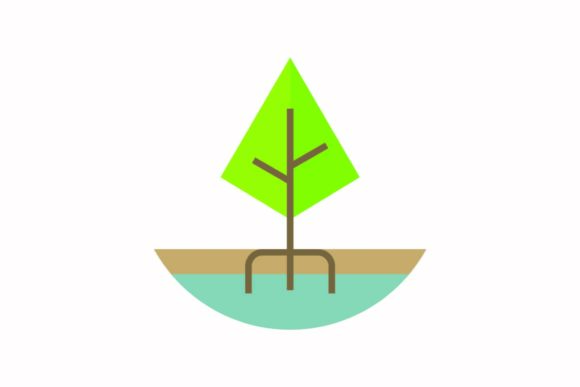
The moment I loaded the "Mangrove Tree" file, the first thing that struck me was the organic flow of the lines. Unlike rigid geometric patterns that often feel cold under the needle, this design carries a natural, flowing energy. The term "floral vector" suggests a botanical theme, but the execution feels more like a stylized nature study than a traditional bouquet. It has a relaxed, coastal vibe that immediately brings to mind salt air, quiet mornings, and textured linen.
From a purely aesthetic standpoint, the layout is balanced. It doesn’t scream for attention; instead, it invites the viewer to look closer. For an embroidery project, this subtlety is crucial. Designs that are too busy often turn into muddy blobs of thread after stitching. The Mangrove Tree maintains clarity even at smaller scales, which is a huge plus for small business owners who need versatile assets for multiple products. The visual personality is calm, sophisticated, and slightly rustic—perfect for brands that want to convey authenticity and craftsmanship.
Real-World Application: From Screen to Stitch
Let’s talk about where this design shines in a real commercial setting. Imagine you are preparing a batch of custom embroidered tote bags for a summer craft fair. You need something that looks handmade but can be produced efficiently. The Mangrove Tree fits this bill beautifully. Its open spaces allow for breathable stitching, preventing the fabric from becoming stiff and board-like—a common complaint with dense fill stitches.
I also see this design performing exceptionally well on sweatshirt embroidery. The soft, rounded shapes of the foliage complement the cozy texture of fleece or cotton blends. When stitched onto a neutral-colored hoodie, the design pops without overwhelming the garment. Similarly, for baby embroidery, such as onesies or nursery decor, the gentle curves are safe and appealing. Parents often gravitate towards designs that feel nurturing and natural, and this tree provides exactly that emotional connection.
For the Etsy seller or small shop product creator, versatility is key. This asset can easily be adapted for apron embroidery in a kitchen setting, adding a touch of nature to culinary tools. It also works well as an embroidered patch for denim jackets or caps, provided the edges are finished cleanly. The design’s adaptability means you aren’t limited to one niche; you can cross-sell it across apparel, home goods, and accessories.
Where Caution Is Required
However, no design is perfect for every situation. There are specific scenarios where the Mangrove Tree requires careful consideration. If you are working with a very small hoop size, you must evaluate the level of detail carefully. Tiny leaves or intricate branch intersections might get lost if the stitch density is too high for the space available. Always test the design at its intended final size before committing to production.
Fabric choice is another critical factor. On stretchy fabrics like jersey knits, the tension of the threads could cause puckering if not stabilized properly. Textured fabrics, such as heavy waffle weaves or bouclé, can obscure the finer details of the vector lines. In these cases, the design might lose its crispness. Additionally, while the design handles light backgrounds well, contrast becomes paramount on dark fabrics. You may need to adjust your thread colors or add a backing stabilizer to ensure the design stands out clearly against the darker material.
Technical Execution and Design Integrity
As a professional, I always check how a design behaves in black and white mockups. This helps identify areas where the negative space might collapse during stitching. The Mangrove Tree generally holds up well here, with distinct separations between elements. However, pay close attention to the corners and any delicate connecting stems. These are the areas most prone to thread breaks or misalignment if the machine isn’t calibrated correctly.
Stitch density is a major component of durability. A design that is too dense will feel heavy and uncomfortable, while one that is too sparse may look unfinished. The vector nature of this asset allows for easy editing, meaning you can potentially reduce the complexity of certain sections if you find the default density too high for your specific fabric type. This flexibility is invaluable for commercial embroidery projects where consistency across hundreds of units is required.
Another practical note involves the file formats mentioned: AI, EPS, SVG, JPG, and PNG. While these are standard for design assets, remember that vector files are not automatically ready for embroidery machines. You will likely need to convert them into a format compatible with your specific software (like PES, DST, or JEF) and then digitize them if they haven’t been pre-digitized. This process gives you control over the satin stitch, fill stitch, and running stitch applications, allowing you to optimize the design for your machine’s capabilities.
Final Verdict: Value and Trust
Ultimately, the value of the Mangrove Tree lies in its ability to elevate a simple product into a thoughtful personalized gift or premium handmade product. Customers trust designs that look intentional and well-executed. A clean, well-stitched mangrove tree signals quality and care, which can justify higher price points in your boutique or online store.
Before you start mass-producing, I strongly advise testing the design on scrap fabric first. Check the stabilizer requirements, confirm the hoop size compatibility, and inspect the small details under good lighting. Also, verify the licensing terms if you plan to sell finished items. Ensuring you have the right permissions protects your craft business and maintains your reputation as a professional.
In conclusion, the Mangrove Tree is a solid, versatile asset for designers who appreciate natural motifs. It offers enough character to stand out while remaining subtle enough to fit a wide range of branding styles. Whether you are creating holiday embroidery gifts, updating your custom apparel line, or designing new digital embroidery file bundles, this design deserves a spot in your rotation. Just remember to respect the fabric, manage your expectations on difficult materials, and always prioritize the finish quality. That is how you build a brand that customers come back to, again and again.